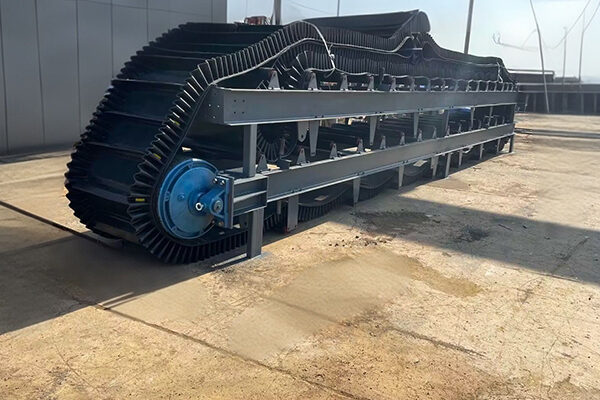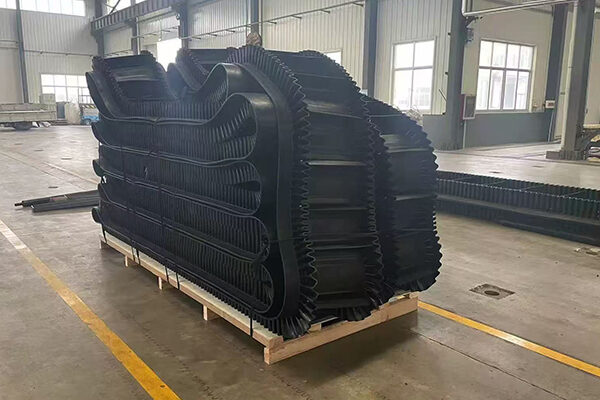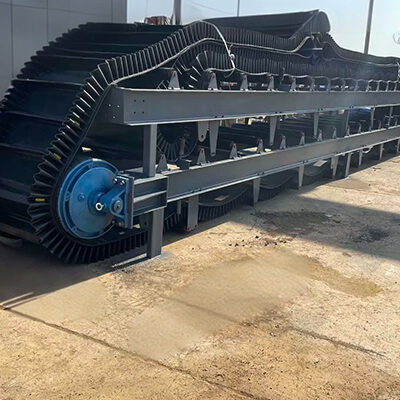



Unlike ordinary horizontal conveyor belts, large angle conveyor systems face inherent operational challenges, including material fallback, belt slippage, and lateral deviation during steep-angle lifting. Stable operation does not rely on single equipment adjustment, but on standardized structural matching, daily parameter control and routine maintenance management.
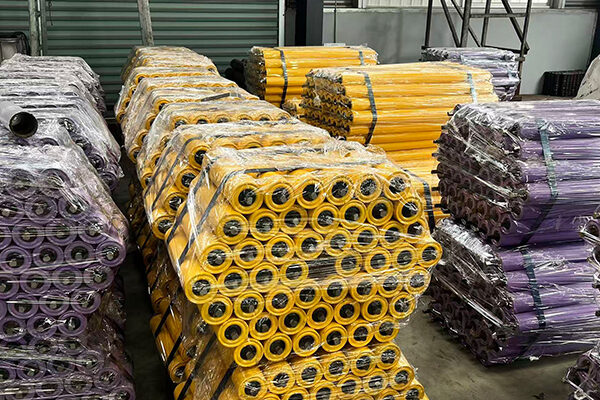
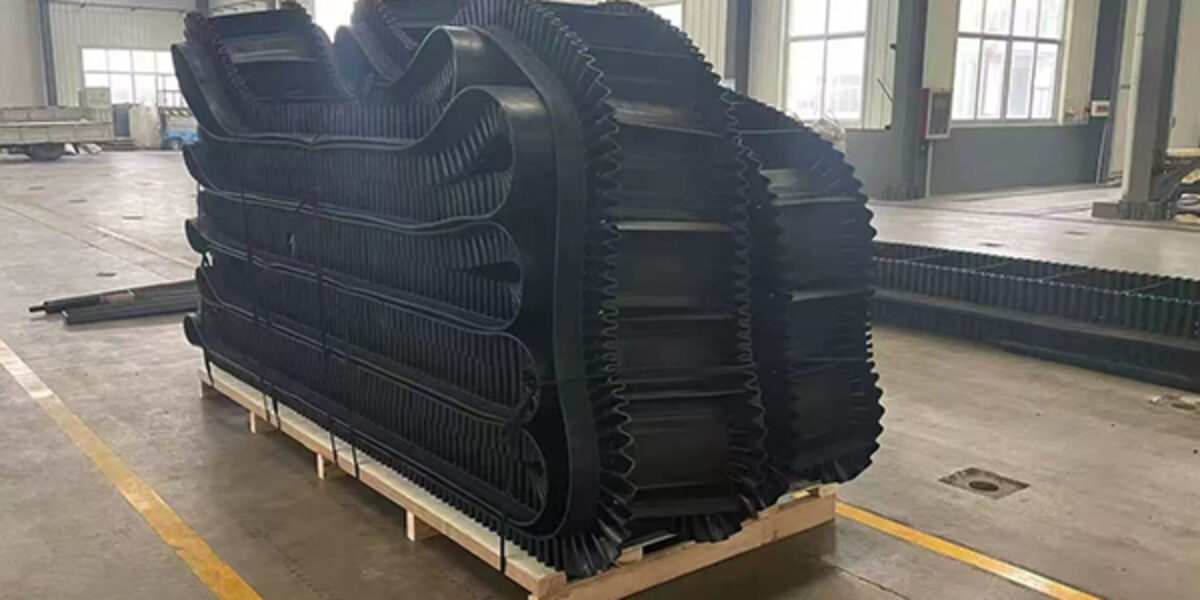
First, matched sidewalls and T-cleats are essential to lock materials firmly on the belt surface, preventing granular and block materials from sliding down due to gravity during high-inclination conveying. Second, consistent belt tension and aligned roller sets eliminate running deviation and uneven stress, which are the main causes of belt wear and operational jitter. Reasonable speed setting also avoids material spillage caused by excessive start-up and operating velocity.
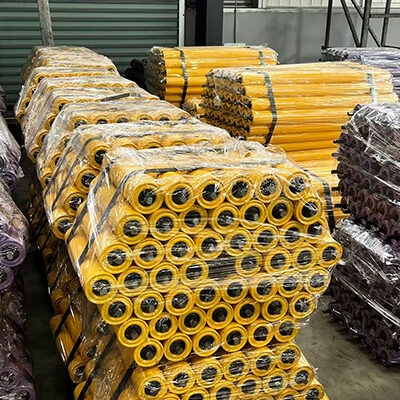
In addition, regular cleaning of belt surface and roller components removes accumulated residual materials, which effectively avoids slipping points and unbalanced operation. Standardized inspection of driving motors, tensioning devices and supporting frames ensures the entire conveying system operates under stable mechanical conditions. Strictly following on-site operation and maintenance specifications can greatly reduce downtime, extend belt service life and maintain long-term stable conveying performance.