


For first-time overseas buyers of large-angle conveyor belts, procuring this specialized industrial belt is far more than just checking dimensions and quoting prices. Unlike standard flat conveyor belts that feature universal, one-size-fits-all specifications, steep-angle sidewall belts are highly customized for specific working conditions. A belt model that runs flawlessly on one site may suffer from persistent material spillage, belt slippage and frequent unplanned downtime on another. Most cross-border disputes, on-site operational failures and post-purchase economic losses are caused by insufficient technical communication and improper belt configuration prior to ordering.
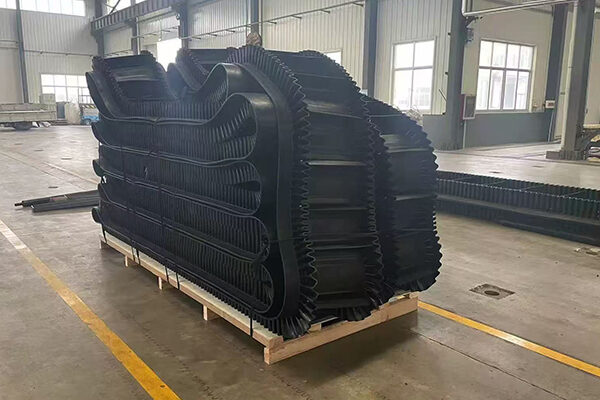
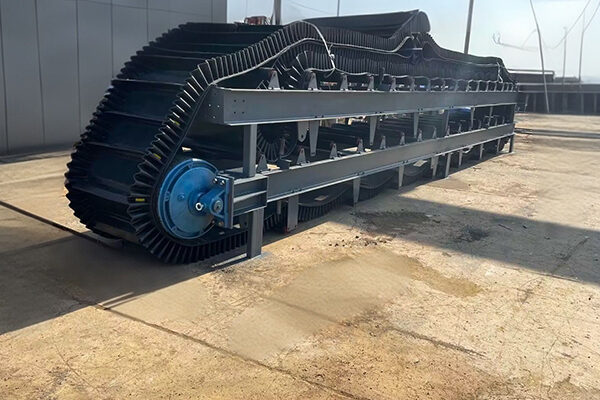
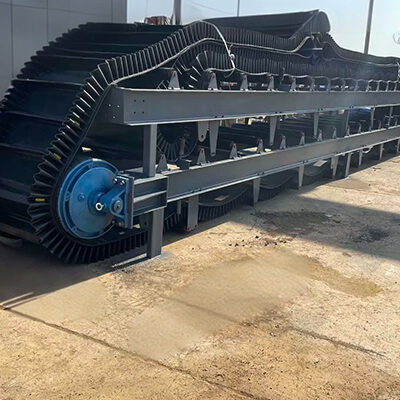
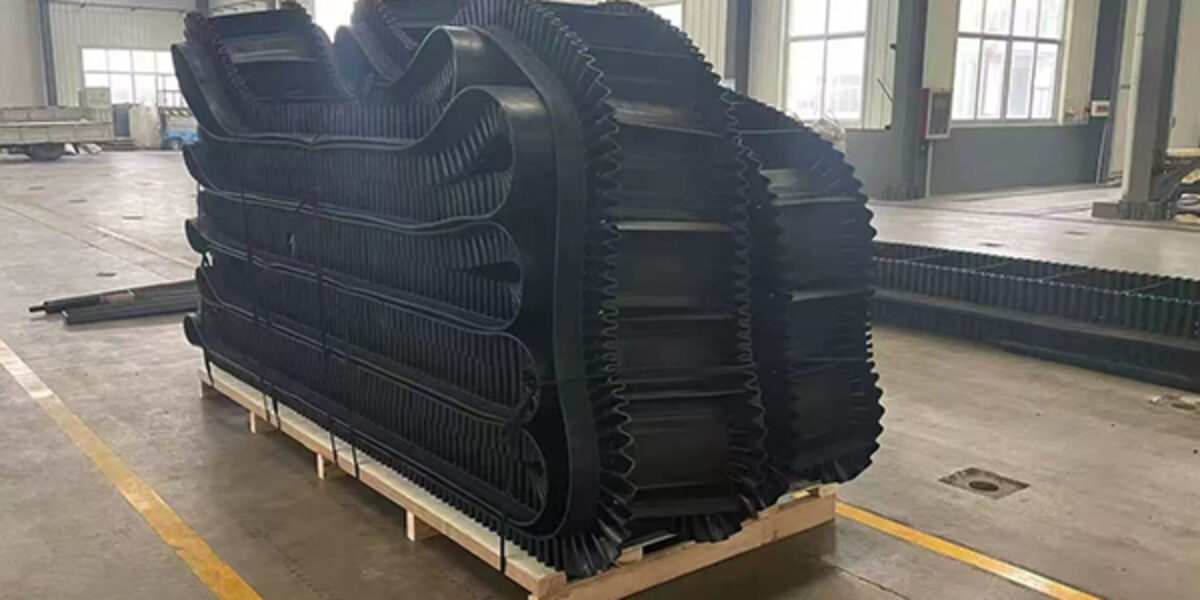
Seasoned procurement engineers always put actual on-site working conditions above generic standard products, rather than choosing conventional belts blindly. The most critical parameter to confirm in advance is the real conveying inclination angle. Many overseas buyers simply note “inclined conveyor belt” on purchase orders, failing to realize that 20°, 45°, 70° and even vertical conveying scenarios require completely different belt structures. Inclines below 30° are generally compatible with common chevron patterned belts, while any angle above 30° strictly requires corrugated sidewall belts equipped with T-cleats. Steeper conveying angles need taller sidewalls and thicker, more rigid cleats to hold materials securely in place and prevent gravity-induced material fallback. Inaccurate or vague angle information remains the leading cause of operational problems after belt installation.
Material characteristics represent another indispensable factor that many buyers overlook in the early procurement stage. Particle size, bulk density, moisture level and abrasiveness directly determine the belt’s rubber formula, cleat spacing and overall structural design. Light-duty materials such as fine dry sand and grain only need basic anti-slip configurations. In contrast, heavy ore, sharp crushed stone and wet viscous materials demand thickened top rubber layers, impact-resistant base fabrics and firmly bonded reinforced cleats. If the belt structure fails to match material properties, the product may meet standard technical specifications on paper but underperform severely in actual production, resulting in low conveying efficiency and accelerated wear.
Environmental adaptability is also vital for long-term, stable operation across overseas sites. Belts deployed in coastal areas, chemical plants and high-humidity workshops must deliver reliable anti-corrosion, moisture-proof and anti-aging performance. Sites with high-temperature working conditions, such as cement factories and thermal power plants, require custom heat-resistant rubber formulations. Most low-cost universal belts lack targeted environmental adaptability. They may operate normally for the first one or two months, but harsh working conditions will gradually cause rubber cracking, sidewall peeling and layer delamination. This leads to frequent belt replacements and substantially higher long-term operating costs.
Buyers also need to accurately distinguish genuine industrial-grade configurations from exaggerated marketing claims. Numerous suppliers market ordinary universal belts as heavy-duty products to lower entry prices. In reality, high-performance large-angle belts rely on standardized multi-layer fabric structures, mature vulcanization technology and integrated molding of sidewalls and cleats. Qualified belts feature uniform stress distribution, no local stress concentration, and stable tension performance during long-term heavy-load operation. By comparison, inferior products adopt recycled rubber materials, incomplete vulcanization processes and simple adhesive assembly for auxiliary parts. Though cheap in price, these belts are prone to delamination, cleat detachment and sudden belt breakage during operation, bringing huge safety risks.
Cross-border import requirements and after-sales technical support are equally important for overseas buyers. Different countries and regions have unique certification and safety standards for industrial conveyor equipment. Before shipment, buyers should verify complete qualification documents, factory inspection reports and compliance certificates to avoid customs detention, fines and extra port fees. Meanwhile, standardized installation spacing, precise tension adjustment and daily maintenance routines directly affect the belt’s overall service life. Reliable suppliers always provide personalized technical guidance based on local working conditions, helping on-site teams complete installation, debugging and daily operation efficiently.
To sum up, purchasing large-angle conveyor belts is a professional engineering-based decision, rather than a simple standardized procurement task. Fully confirming the conveying angle, material characteristics, working environment and technical standards before import can effectively avoid equipment mismatch, potential operational hazards and unnecessary cost waste. This is the key to ensuring stable, efficient and long-term operation of the entire bulk conveying system.