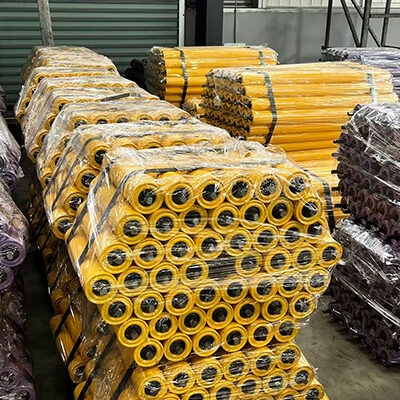



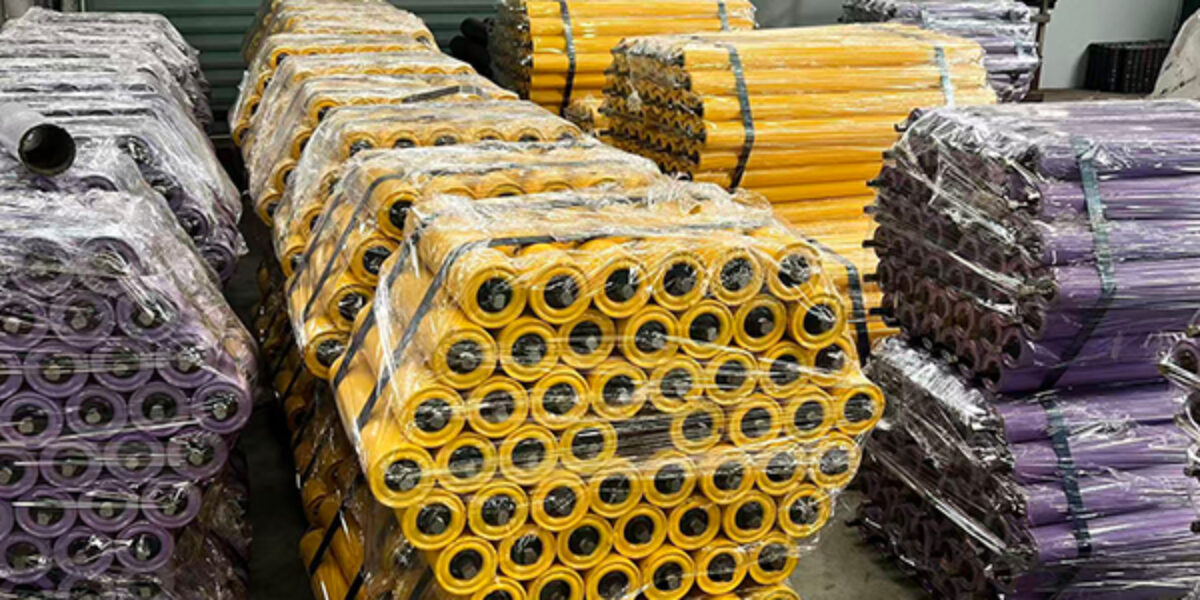
Walk into any bulk material conveying workshop, whether in mining, cement plants, ports, or power stations, and idler failure ranks among the most common causes of unplanned downtime. Belt deviation, abnormal noise, inflexible rotation and severe roller wear are typical issues encountered by on-site teams on a daily basis. While these problems are familiar to experienced operators and maintenance staff, premature idler failure often causes unexplained operational losses and frequent replacement costs for new engineers, procurement teams and overseas partners.
In most cases, short idler service life does not result from poor quality alone. It is caused by improper model matching, incorrect installation and inadequate daily maintenance. Unlike high-profile core components such as conveyor belts and drive motors, idlers are often underestimated as simple auxiliary parts. In reality, as key supporting units of the entire conveyor system, idlers withstand continuous material impact, belt friction and harsh environmental erosion. Scientific selection and standardized maintenance are essential to stable long-term conveyor operation and lower overall operating costs.
Many users apply universal idlers to all working conditions, which is the leading cause of rapid wear and frequent failure. To fundamentally extend idler service life, users must select idlers tailored to actual working conditions. Standard lightweight idlers with regular surface treatment are sufficient for light-duty conveying of grain and fine materials. For heavy-load applications involving ore, aggregate and coal with frequent material impact, thickened idler tubes with heavy-duty bearings are required to withstand instantaneous impact pressure and prevent shaft deformation and bearing seizure.
Environmental factors also play a vital role in idler selection. For humid, dusty or corrosive environments in chemical plants and coastal ports, electrostatic powder-coated or hot-dip galvanized idlers are necessary to resist rust and surface corrosion. For large-angle conveyor systems, reinforced anti-slip and self-aligning idlers should be properly arranged to accommodate uneven belt tension and avoid unilateral excessive wear. Matching idler diameter, tube thickness and bearing rating according to belt width and conveying load ensures uniform stress distribution and prevents premature fatigue damage.
Proper installation and routine maintenance further maximize idler durability. During installation, all idler sets must be kept horizontal and aligned to prevent belt deviation and unilateral eccentric wear. The spacing of carrying and return idlers should be scientifically arranged according to material weight and belt tension to avoid overloading individual idlers. Regular removal of material buildup prevents dust and sediment from covering the roller surface, which otherwise increases rotational resistance, causes bearing overheating and accelerates component aging.
Furthermore, it is necessary to regularly inspect bearing flexibility, shaft tightness and surface abrasion. Timely lubrication and replacement of worn parts effectively eliminate potential hazards. Avoiding overload start-up, long-term idle operation and irregular impact feeding greatly reduces unnecessary idler wear. Reasonable selection combined with standardized maintenance can significantly extend idler service life, stabilize conveyor performance and reduce long-term replacement and maintenance expenses.